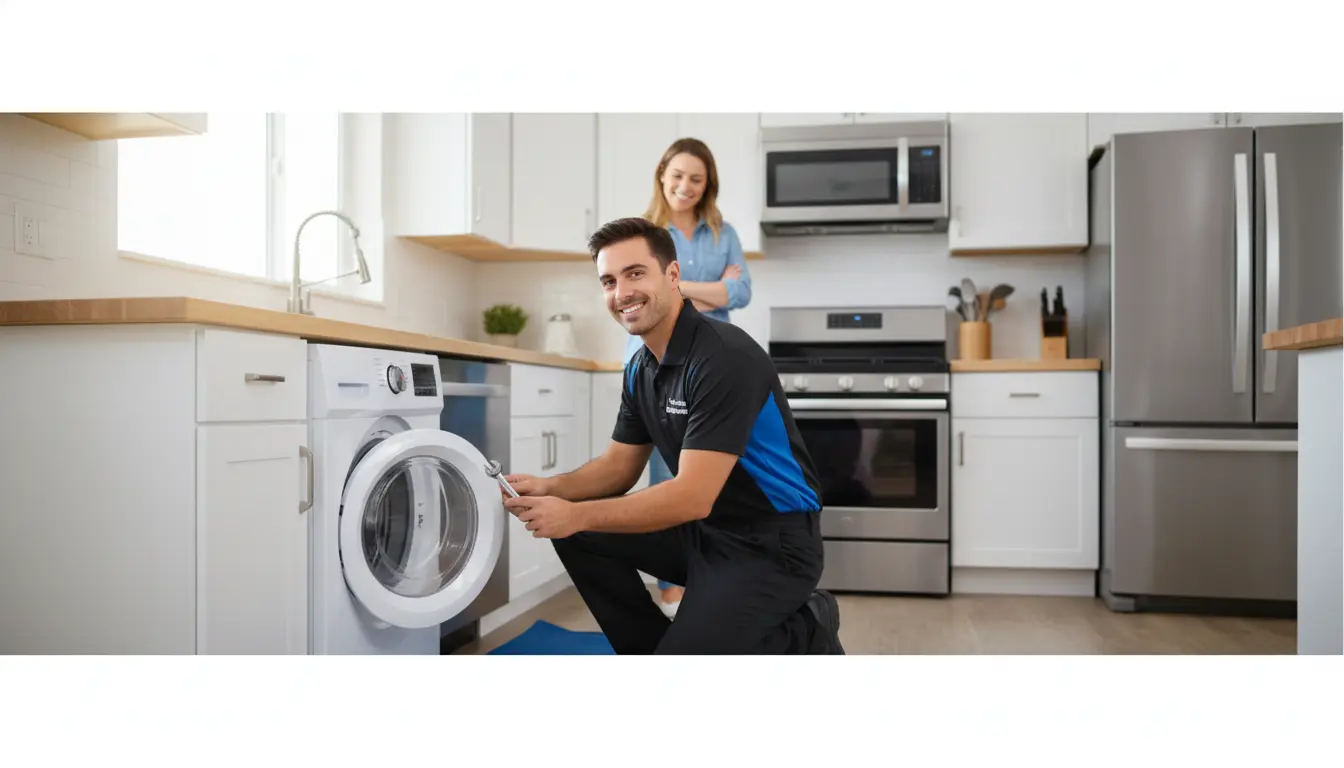
Contrary to popular belief, the most cost-effective approach to household appliance maintenance in San Leandro, California, is not replacing them as soon as they show signs of wear, but rather investing in professional, prompt appliance repair services. This is because a significant portion of appliance failures can be attributed to neglect and lack of regular maintenance, leading to premature wear and avoidable expenses. The Bay Area’s unique environmental conditions, such as coastal humidity, also play a significant role in the degradation of appliance components, making timely intervention crucial. San Leandro Appliance Repair, with its team of certified technicians and commitment to using only manufacturer-approved OEM parts, stands out as the premier service provider in the area, equipped to handle the complexities of appliance repair in San Leandro homes.
The importance of professional appliance maintenance cannot be overstated, as it not only prevents property damage, such as water leaks from malfunctioning dishwashers or washing machines, but also ensures food safety by maintaining the integrity of refrigeration systems. Moreover, regular maintenance can significantly extend the lifespan of appliances, reducing the need for frequent replacements and the associated financial burdens. For residents of San Leandro, understanding the local conditions that affect appliance efficiency and durability is key to making informed decisions about maintenance and repair. The hard water mineral buildup from local municipal water supplies, for instance, can severely impact the performance and longevity of appliances such as dishwashers and washing machines, necessitating specialized knowledge and repair techniques.
San Leandro Appliance Repair offers a comprehensive range of services, including Refrigerator Repair, Washing Machine Repair, and Dryer Repair, tailored to address the unique challenges faced by homeowners in the Bay Area. By leveraging advanced diagnostic tools, such as digital multimeters and thermal imaging, and adhering to strict safety protocols, including EPA Section 608 certification for refrigerant handling, the team ensures that repairs are not only effective but also safe and compliant with industry standards.
Technical Process
The professional appliance repair workflow involves a meticulous step-by-step process, starting with initial diagnostic fault code reading to identify the root cause of the malfunction. This is followed by component isolation and voltage/continuity checks using specialized tools like manifold gauge sets for refrigeration systems. The process may require tear-down and recalibration of components, necessitating a deep understanding of appliance mechanics and electronics. Local variables, such as environmental conditions and the quality of the local water supply, are also taken into consideration to ensure that the repair is tailored to the specific needs of the appliance and the homeowner.
For instance, the repair of a malfunctioning heating element in a dryer requires not only replacing the faulty component but also ensuring that the venting system is clear and functioning properly to prevent overheating and potential fires. Similarly, the repair of a leaky dishwasher involves checking for blockages in the drain hose and ensuring that the dishwasher is properly leveled to prevent water from accumulating at the bottom. These considerations highlight the complexity and nuance involved in professional appliance repair, underscoring the importance of seeking the services of a qualified and experienced technician.
Data Comparison
When considering appliance repair, one of the critical decisions homeowners face is whether to opt for OEM parts or aftermarket alternatives. The choice between these options can significantly impact the durability, safety, and warranty validity of the repair. The following comparison table highlights the key differences between OEM and aftermarket parts:
| Feature/Metric | OEM Parts | Aftermarket Parts |
|---|---|---|
| Lifespan/Durability | Generally longer, matching the original component’s lifespan | May vary, potentially shorter lifespan |
| Safety & Compliance | Guaranteed to meet or exceed manufacturer and industry safety standards | May not meet all safety and compliance standards |
| Warranty Validity | Typically maintains or extends the appliance’s warranty | May void the appliance’s warranty |
Source: AHAM Reference Guide
Expert Insights
Professional appliance repair technicians often stress the importance of regular maintenance in preventing common issues. For example, proper condenser coil cleaning routines can significantly extend the lifespan of refrigeration systems by ensuring efficient heat transfer and preventing overheating. Similarly, leveling front-load washers is crucial to prevent drum bearing failure, which can lead to costly repairs. Homeowners can also benefit from understanding common mistakes that can lead to appliance failures, such as overloading machines, using inappropriate detergents, or neglecting to replace worn-out seals and gaskets.
Additionally, being aware of the signs that indicate an appliance needs repair can help prevent more severe issues. For instance, unusual noises, decreased performance, or leaks are all indicators that professional intervention is necessary. Resources such as the Troubleshoot Noisy Appliances Essential Guide can provide valuable insights and DIY tips for addressing minor issues before they escalate into major problems.
Pricing
The cost of appliance repair can vary widely depending on several factors, including the type of appliance, the complexity of the repair, and the cost of replacement parts. Some key factors that influence pricing include:
- Flat-rate diagnostics, which cover the initial assessment of the appliance
- Hourly labor rates, which apply to the time spent on the repair
- Cost of OEM parts, which can vary significantly depending on the manufacturer and the specific component needed
Understanding these factors can help homeowners better estimate the cost of repairs and make informed decisions about their appliances. It’s also important to consider the long-term benefits of professional repair, including extended appliance lifespan, improved efficiency, and enhanced safety.
Safety & Standards
Safety is paramount in appliance repair, with potential hazards ranging from electrical shocks and fires to carbon monoxide poisoning from gas appliances. Professional technicians must adhere to strict safety protocols, including EPA Section 608 certification for handling refrigerants and compliance with OSHA/NEC guidelines for electrical safety. The use of manufacturer-approved OEM parts is also critical, as these components are designed and tested to meet specific safety and performance standards.
For homeowners, understanding these safety standards and ensuring that any repair service they hire complies with them is essential. This includes verifying certifications, such as EPA Section 608, and ensuring that technicians follow proper procedures for handling potentially hazardous materials like refrigerants. Resources such as the Gothamhandyman.com blog offer valuable information on safety protocols and best practices in appliance repair.
FAQ
What are the most common signs that my appliance needs repair?
The most common signs include unusual noises, decreased performance, and leaks. These indicators suggest that there is an underlying issue that needs to be addressed by a professional to prevent further damage and ensure the appliance continues to function safely and efficiently.
How can I extend the lifespan of my appliances?
Regular maintenance is key to extending the lifespan of appliances. This includes cleaning condenser coils, checking and replacing worn-out parts, and ensuring that appliances are properly installed and leveled. Additionally, avoiding overloading, using appropriate detergents, and performing routine checks can significantly reduce the risk of premature wear and tear.
What is the difference between OEM and aftermarket parts?
OEM parts are manufactured by the appliance’s original manufacturer and are designed to meet specific safety and performance standards. Aftermarket parts, while potentially cheaper, may not offer the same level of quality and durability, and their use can void the appliance’s warranty. Understanding the differences between these options can help homeowners make informed decisions about their repairs.
How do I choose the right appliance repair service?
Choosing the right appliance repair service involves considering several factors, including the technician’s certifications, experience with your specific type of appliance, and adherence to safety standards. It’s also important to read reviews, ask for referrals, and ensure that the service provides a warranty for their work. For residents of San Leandro, Affordable AC Repair Services Near San Leandro, CA, can offer valuable insights and professional services tailored to local needs.
Professional Appliance Care in San Leandro
In conclusion, extending the lifespan of household appliances through professional, prompt repair services is not only a cost-effective strategy but also a safer and more efficient approach to appliance maintenance. By understanding the unique challenges posed by local conditions in San Leandro and the importance of regular maintenance, homeowners can make informed decisions about their appliances. San Leandro Appliance Repair, with its commitment to using OEM parts, adhering to strict safety protocols, and providing comprehensive repair services, positions itself as the most reliable and practical option for appliance care in the Bay Area.