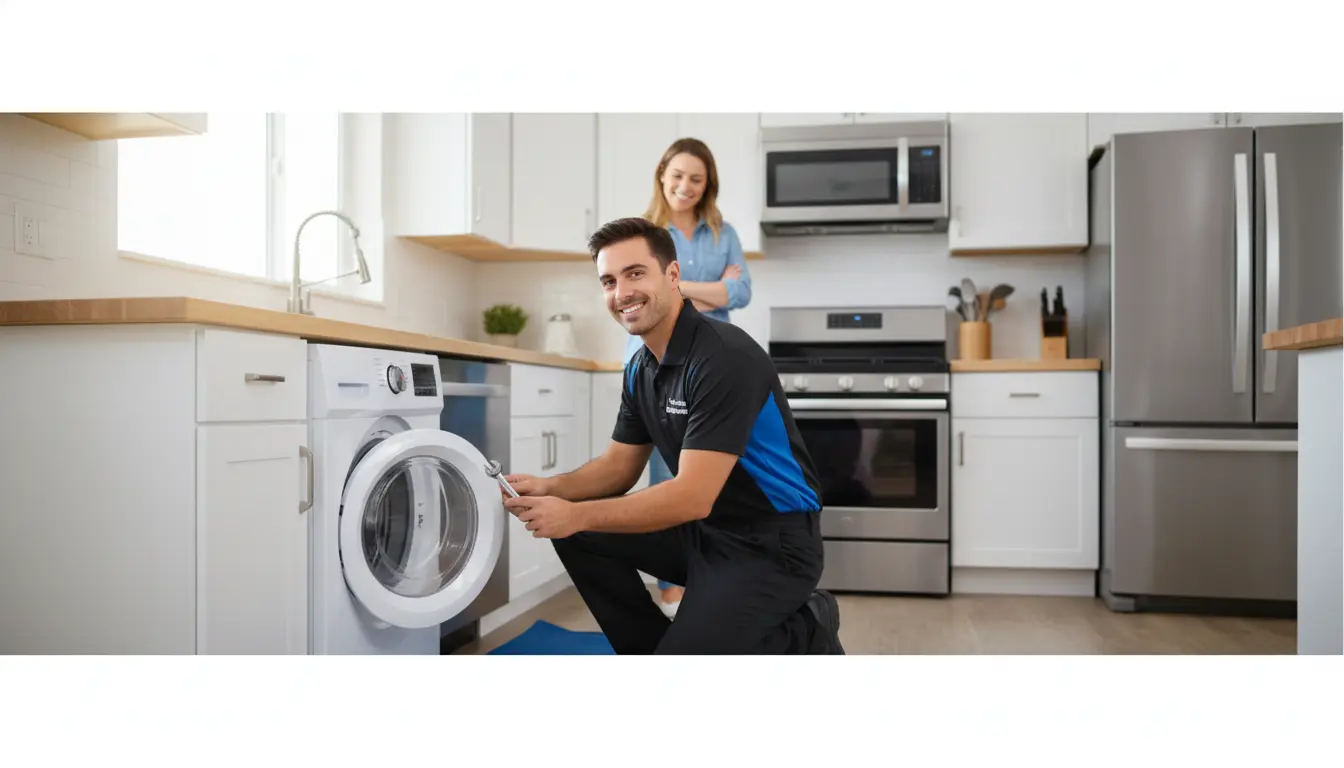
As I stood in the humid Bay Area evening, gazing out at the rows of San Leandro homes, I couldn’t help but think of the countless appliances humming along within their walls. The gentle whir of a refrigerator, the steady thrum of a clothes dryer – these were the sounds of a well-oiled machine, a testament to the ingenuity of modern technology. Yet, I knew that behind each of these façades, a multitude of potential issues lurked, waiting to disrupt the delicate balance of household harmony. It was on one such evening, as I responded to a call from a frantic homeowner in San Leandro, that I encountered the all-too-common plight of the noisy dryer.
The homeowner, a young mother of two, had been putting off the repair for weeks, hoping the issue would resolve itself. But as the days turned into weeks, the noise had grown louder, a persistent rumble that seemed to emanate from the very core of the machine. I quickly assessed the situation, running through a mental checklist of potential causes: a faulty belt, a clogged vent, perhaps even a malfunctioning motor. The possibilities were endless, and it was my job to pinpoint the root of the problem and restore the dryer to its former glory.
As a certified senior appliance repair technician, I’ve seen my fair share of noisy dryers. But I’ve also learned that a prompt and professional repair is crucial in preventing further damage, not just to the appliance itself, but to the surrounding property. A malfunctioning dryer can lead to a host of issues, from water damage to fires, and it’s essential that homeowners take proactive steps to address the problem. That’s why I always recommend that my clients in San Leandro prioritize regular maintenance and repairs, to ensure their appliances continue to run smoothly and efficiently.
Understanding the Causes of a Noisy Dryer
So, what causes a dryer to become noisy in the first place? The answer lies in a combination of factors, including wear and tear, improper use, and environmental conditions. In San Leandro, the humid coastal climate can take a toll on appliances, causing rust and corrosion to form on vital components. Furthermore, the hard water in the area can lead to mineral buildup, which can wreak havoc on a dryer’s internal mechanisms. To troubleshoot noisy appliances, it’s essential to consider these local variables and how they might be contributing to the issue.
As I delved deeper into the dryer’s workings, I began to suspect that the noise was linked to a faulty drum bearing. This was a common issue in San Leandro, where the high humidity could cause the bearings to rust and seize. I explained the situation to the homeowner, outlining the necessary steps to repair the dryer and prevent future problems. I also took the opportunity to educate her on the importance of regular maintenance, highlighting the benefits of extending appliance life through simple measures like cleaning the lint filter and checking the venting system.
Step-by-Step Repair Process
With the diagnosis complete, I set to work repairing the dryer. The process involved a series of meticulous steps, from disconnecting the power supply to removing the drum and accessing the faulty bearing. I used a range of specialized tools, including a digital multimeter and a manifold gauge set, to ensure that each component was functioning within optimal parameters. As I worked, I kept the homeowner informed, explaining the reasoning behind each step and the potential consequences of neglecting the repair.
Throughout the process, I emphasized the importance of using OEM parts and adhering to manufacturer guidelines. This not only ensured that the repair was done correctly but also guaranteed that the dryer would continue to operate safely and efficiently. I also highlighted the benefits of professional dryer repair, noting that a skilled technician could identify and address potential issues before they became major problems.
Data Comparison: OEM vs. Aftermarket Parts
In the world of appliance repair, the debate between OEM and aftermarket parts is ongoing. While some argue that aftermarket parts offer a cost-effective solution, others contend that they compromise on quality and safety. The following table illustrates the key differences between OEM and aftermarket parts:
| Feature/Metric | OEM Parts | Aftermarket Parts |
|---|---|---|
| Lifespan/Durability | Higher | Lower |
| Safety & Compliance | Guaranteed | Variable |
| Warranty Validity | Valid | Void |
Source: AHAM Reference Guide
Expert Insights and Common Mistakes
As a seasoned technician, I’ve encountered my fair share of common mistakes that homeowners make when it comes to appliance repair. One of the most prevalent is the tendency to overload machines, which can lead to premature wear and tear. Another mistake is using high-sudsing non-HE detergent in front-load washers, which can cause damage to the drum and bearings. By being aware of these potential pitfalls, homeowners can take proactive steps to prevent them and ensure their appliances continue to run smoothly.
I also shared some expert tips with the homeowner, including the importance of proper washer maintenance and the benefits of regular oven cleaning. By following these simple tips, homeowners can extend the life of their appliances and prevent costly repairs down the line.
Pricing and Cost Factors
The cost of appliance repair can vary widely, depending on a range of factors, including the type of appliance, the complexity of the issue, and the technician’s level of expertise. In San Leandro, the cost of repair is often influenced by the local climate and environmental conditions. For example, the high humidity can cause rust and corrosion to form on appliances, leading to more extensive and costly repairs.
Some of the key factors that influence the cost of repair include:
- Flat-rate diagnostics: This involves a fixed fee for the initial diagnosis, regardless of the complexity of the issue.
- Hourly labor expectations: The cost of labor can vary depending on the technician’s level of expertise and the time required to complete the repair.
- Variable costs for OEM replacement parts: The cost of replacement parts can vary widely, depending on the manufacturer and the specific component required.
Safety and Standards
As a certified technician, I am committed to upholding the highest standards of safety and quality. This includes adhering to manufacturer guidelines, using OEM parts, and following strict safety protocols. In San Leandro, it’s essential to be aware of the potential risks associated with appliance repair, including electrical shock, gas leaks, and fires.
I am certified in EPA Section 608 for refrigerant handling and follow OSHA/NEC guidelines for electrical safety. I also prioritize the use of manufacturer-approved OEM components to ensure that each repair meets the highest standards of quality and safety.
FAQs
What are the most common causes of a noisy dryer?
The most common causes of a noisy dryer include a faulty drum bearing, a clogged vent, or a malfunctioning motor. In San Leandro, the high humidity can cause rust and corrosion to form on vital components, leading to noise and vibration.
How can I prevent my dryer from becoming noisy in the first place?
To prevent your dryer from becoming noisy, it’s essential to prioritize regular maintenance, including cleaning the lint filter and checking the venting system. You should also avoid overloading the machine and use a dryer cleaning kit to remove any blockages or debris.
What are the benefits of using OEM parts in appliance repair?
The benefits of using OEM parts in appliance repair include guaranteed quality and safety, as well as compliance with manufacturer guidelines. OEM parts are designed to meet the specific requirements of each appliance, ensuring that the repair is done correctly and that the appliance continues to operate efficiently.
How can I find a reliable appliance repair technician in San Leandro?
To find a reliable appliance repair technician in San Leandro, it’s essential to do your research and read reviews from past customers. You should also look for technicians who are certified and experienced in repairing your specific type of appliance. By taking the time to find a qualified technician, you can ensure that your repair is done correctly and that your appliance continues to run smoothly.
Conclusion
In conclusion, a noisy dryer can be a frustrating and inconvenient problem, but it’s one that can be easily resolved with the right expertise and equipment. By prioritizing regular maintenance and repairs, homeowners in San Leandro can extend the life of their appliances and prevent costly repairs down the line. At San Leandro Appliance Repair, we are committed to providing the highest level of service and expertise, ensuring that each repair is done correctly and that our customers are completely satisfied.
For more information on our appliance repair services, including dishwasher repair and emergency appliance repair, please visit our website or contact us directly. We look forward to serving you and helping you to keep your appliances running smoothly and efficiently.
Final Thoughts
As a certified senior appliance repair technician, I am proud to serve the community of San Leandro, providing expert advice and guidance on all aspects of appliance repair and maintenance. By following the tips and advice outlined in this article, homeowners can take proactive steps to prevent common problems and ensure that their appliances continue to run smoothly and efficiently. Remember, a well-maintained appliance is not only more efficient but also safer and more reliable, providing you with peace of mind and saving you money in the long run.
Don’t hesitate to reach out to us at San Leandro Appliance Repair for all your appliance repair needs. Our team of experts is always here to help, providing fast, friendly, and reliable service that you can trust. Contact us today to schedule your appointment and let us help you to keep your appliances running at their best.